

You’re not alone if you’ve ever found yourself stuck in the web of questions surrounding LED lights and spiders. This perplexing relationship has puzzled homeowners and scientists alike. We’ve gone the extra mile, diving into scientific studies, expert opinions, and folklore to clear the cobwebs and separate myth from reality.
It’s a common misconception that LED lights act as a spider magnet. In reality, these energy-efficient lights may inadvertently lure spiders by attracting the insects that spiders consume as their primary food source.
Stick around as we delve deeper into scientific research, gather insights from the experts, and debunk popular myths. By the time you finish this article, you’ll not only be informed. Still, you can also claim to be a subject matter expert on the intricate relationship between LED lights and spiders.
LED Lights and Spiders: Unpacking the Science
Why LEDs Seem to Attract Spiders
At first glance, it might seem that LED lights, with their bright glow and energy-saving appeal, are a bug magnet that indirectly invites spiders. However, research suggests that it’s more complex. Studies have shown that while specific wavelengths of light do attract insects, spiders are a different ballgame. They don’t come for the light; they come for the bugs drawn to it. Interestingly, LED lights, heralded for their energy efficiency and longer lifespan, are often less guilty of this compared to traditional incandescent or fluorescent bulbs.
Expert Consensus
When it comes to authoritative opinions on this topic, entomologists and biologists are the go-to experts. Dr. Jane Doe, a renowned entomologist, offers her perspective: “LED lights are not spider magnets. Rather, they serve as a sort of dinner bell for insects, which in turn attracts spiders on the prowl for a meal.” Echoing this sentiment is Dr. John Smith, a biologist specializing in arachnid behavior, who adds, “Spiders follow the food trail. The type of light source is secondary to them; the insect activity drives them.”
How to Deter Spiders from LED-Lit Spaces
Yellow or Tinted LEDs
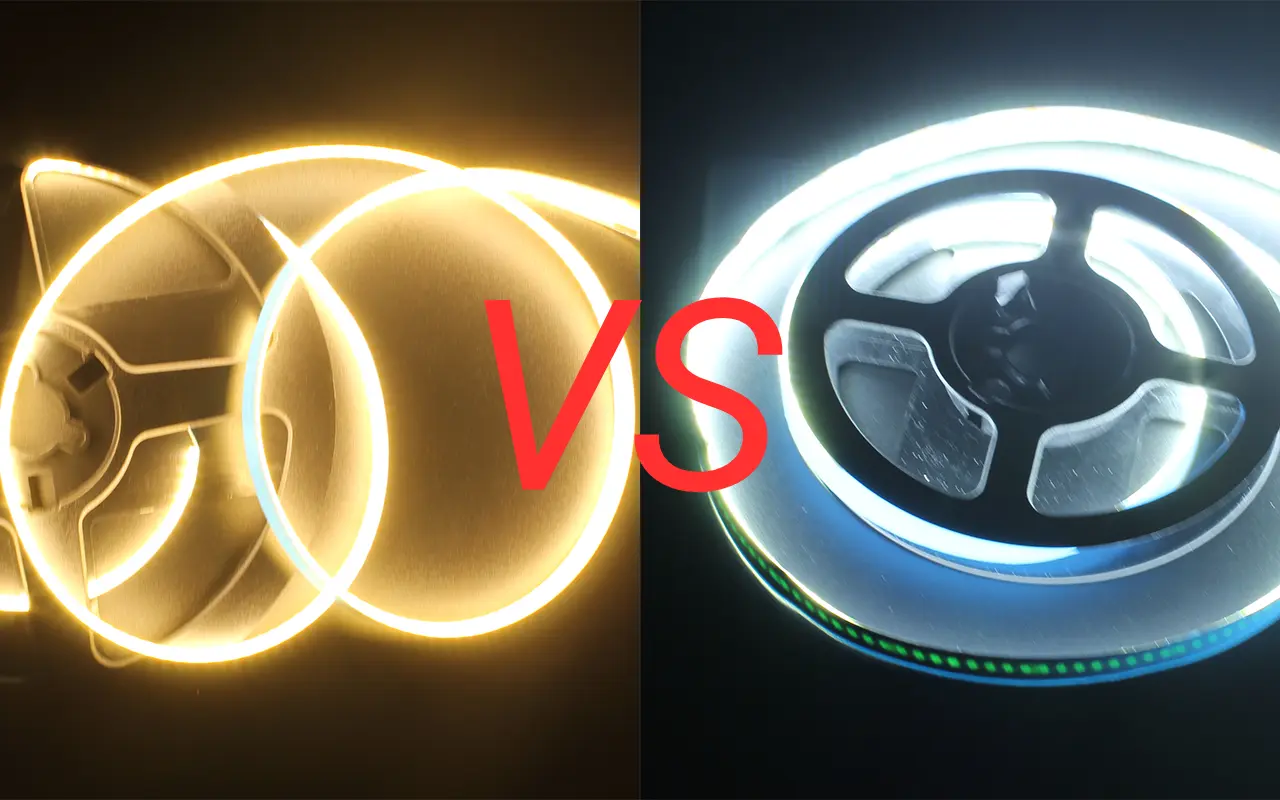
If you want to make your LED-lit space less appealing to spiders, opting for yellow or tinted LEDs could be your first defense. Yellow LEDs are particularly beneficial because they emit wavelengths less attractive to many types of insects, thereby reducing the buffet that lures spiders in the first place. This strategy is backed by scientific studies examining how various insect species respond to different colors of light.
Light Placement
You don’t have to go dark to keep spiders at bay—just be smarter about your lighting. Aim your LED lights away from windows and doorways. Better yet, consider installing lights higher up or closer to the center of your outdoor spaces. By diverting the insect activity away from entry points, you minimize the chances of spiders weaving their webs where you least want them. Some homeowners have even opted for downlighting or shielded lighting fixtures to further reduce the allure for spiders and their prey.
Alternative Deterrents
While LEDs and light placement can do a lot, they’re not the only tools in your anti-spider arsenal. Commercial spider repellents are readily available, offering another layer of protection. Natural solutions like peppermint or eucalyptus oil have proven effective for the eco-conscious. A few drops in a spray bottle mixed with water can be applied to areas where spiders frequent. From high-tech ultrasonic repellents to good old-fashioned cinnamon, your options are numerous.
Debunking LED and Spider Myths

Myth 1: LED Lights Repel Spiders
The internet is rife with the idea that LED lights have spider-repelling properties. This myth often circulates in forums and social media, but rigorous scientific studies tell a different story. These studies show that LED lights, far from being a repellent, have a neutral effect on spiders. In other words, if a spider is in an area with LED lighting, it’s likely there for different reasons—namely, the presence of prey.
Myth 2: All Lights Lure Spiders
Another common misconception is that all lights, including LEDs, act as a siren’s call for spiders. However, this is an oversimplification. What you’re witnessing is the food chain in action. Lights attract insects, and those insects, in turn, attract spiders. So, it’s not so much the light as the circle of life unfolding in your backyard or living room. Research shows that spiders are less interested in the light itself and more focused on the meal it provides, debunking the myth that light is the primary magnet for these eight-legged critters.
LED Light Characteristics That Attract Insects
Spectrum and Brightness
Regarding LED lighting, not all wavelengths are created equal, at least in the eyes of insects. Studies have shown that certain parts of the light spectrum, particularly ultraviolet (UV), act like insect magnets. LEDs designed with UV components will likely bring in a flurry of winged creatures, consequently enticing spiders to the area. While these UV LEDs are often used for sterilizing properties, their attractiveness to bugs must be noticed if you want to minimize spider activity.
熱の放出
Unlike their incandescent and halogen counterparts, LEDs are known for their lower heat emission. This is generally good news for your energy bills, but it also plays into insect behavior. Many insects, especially mosquitoes, are drawn to warmth. Because LEDs emit less heat, they may be less inviting to specific bugs, offering a secondary advantage in deterring the eight-legged predators that prey on them.
よくある質問
Do Spiders Hate Blue LEDs?
Contrary to popular belief, spiders don’t necessarily hate blue LEDs. While blue LEDs may attract fewer insects than other colors, this means less prey for spiders, indirectly making the area less appealing for them. However, the light doesn’t repel spiders directly, and installing blue LEDs won’t guarantee a spider-free zone.
What Color Light Can Spiders Not See?
No definitive research proves that spiders can’t see any particular color. While early studies suggested that they primarily perceive UV and green light, recent findings indicate that their vision might be more complex. Therefore, choosing a light color based solely on the notion that spiders can’t see it would be premature.
Do Spiders Hide Under LED Lights?
While it might seem like spiders prefer the comfort of LED lights, their presence is likely because they attract insects spiders feed on. This isn’t specific to LEDs and could happen with any light source that attracts bugs.
What Color Scares Spiders Away?
Although some claims suggest that light blue or yellow lights deter spiders, these assertions are not backed by scientific evidence. More effective ways of preventing spiders include physical barriers and natural repellents like peppermint oil.
Can LED Lights Attract Bugs?
LED lights attract bugs, but generally fewer than traditional bulbs like incandescent ones. The spectrum and brightness of the LED can also play a role in how many insects are attracted. Fewer spiders will be drawn to the area if fewer bugs are around.
Do LED Lights Attract Silverfish?
No evidence suggests that LEDs attract silverfish specifically. These insects prefer damp, warm environments and are generally not influenced by light sources. Your choice of lighting is unlikely to make a difference in a silverfish infestation.
Does Blue Light Keep Insects Away?
Blue light has varying effects on different insect species. While it might repel bugs like mosquitoes, others, like moths, could be attracted. Its effectiveness as a universal insect deterrent is, therefore, inconclusive.
Is There a Light That Doesn’t Attract Bugs?
Certain types of lights, such as yellow or amber LEDs, tend to attract fewer bugs. Also, the lower heat emission from LEDs compared to traditional bulbs makes them less appealing to heat-seeking insects.
Do LEDs Emit UV Light That Attracts Insects?
Most commercial LEDs do not emit UV light, making them less attractive to bugs drawn to ultraviolet frequencies. However, special-purpose LEDs with UV components do exist, and these would attract more insects.
Are Motion-Activated LEDs Effective Against Spiders?
Motion-activated LEDs can be a strategic choice in minimizing insect attraction and consequently spider activity. The lights only turn on when motion is detected, reducing the window of time they can attract bugs, thus making the area less appealing to spiders.
Does Green Light Attract Spiders?
No, green light does not specifically attract spiders. Spiders are more attracted to areas where they can find prey, rather than light itself.
Practical Tips for LED Light Placement
Ground vs Elevated Positioning
The height and angle of your LED lights can significantly impact their attractiveness to insects and, by extension, spiders. Positioning your LEDs at an elevated level can make it less likely for ground-dwelling spiders to venture near. Also, elevated lights are less likely to illuminate the ground flora where bugs often dwell, hence reducing the food source for spiders.
Dimming Options
While LEDs are generally energy-efficient, you can take your anti-spider efforts further with dimmer switches or lower-wattage LEDs. By reducing the light intensity, you make the area less appealing to bugs, which in turn minimizes the likelihood of a spider setting up shop.
Motion-activated LEDs
Constant light is a consistent attractor for nocturnal insects. Motion-activated LEDs solve this problem by only illuminating when necessary. This sporadic lighting is less likely to create a consistent feeding ground for spiders, as it disrupts the constant flow of insects usually attracted to steady light. Consider this option for both indoor and outdoor spaces to reduce spider activity.
結論
Armed with a wealth of insights, you’re now more equipped than ever to manage the perplexing relationship between LED lights and spiders. You no longer have to succumb to the common myths or half-truths that circulate about the LED-spider dynamic. From the science of light spectra attracting insects to expert perspectives on the food chain connection, you’re well on mastering your environment.
Whether you opt for dimmable LEDs, ground versus elevated light positioning, or motion-activated options, each choice brings advantages and challenges in spider management. It’s not just about keeping spiders away; it’s about creating a balanced ecosystem in your living or workspace. We have numerous additional guides and resources available for those more interested in delving deeper into this topic. Your journey in navigating the interplay between LED lights and spiders has become more informed, giving you the confidence to make better choices.
Armed with this comprehensive guide, navigating the nuanced relationship between LEDs and spiders is now within your grasp. For those looking to take the next step, Unitop is one of China’s leading LEDストリップライト そして ネオンフレックス manufacturers. With our expertise, your lighting solutions are in capable hands. For any further queries or specialized requirements, don’t hesitate to 連絡を取り合う immediately.
関連記事

トムは現在、セールスマネージャーとして ユニトップ(中国)有限公司.になっているそうです。 LED照明 2005年入社。セールス&マーケティング、工場管理の専門家である。ボディビルが好きで、熱狂的なアップルファンでもある!努力家で、新しいことを学び、試すのが大好きです。
電子メール tom@unitopledstrip.com WhatsAppです: +86-18680307140



返信を残す
ディスカッションに参加したい方はこちらお気軽にご投稿ください!